
Remodel listed buiding
Our working method
Recording
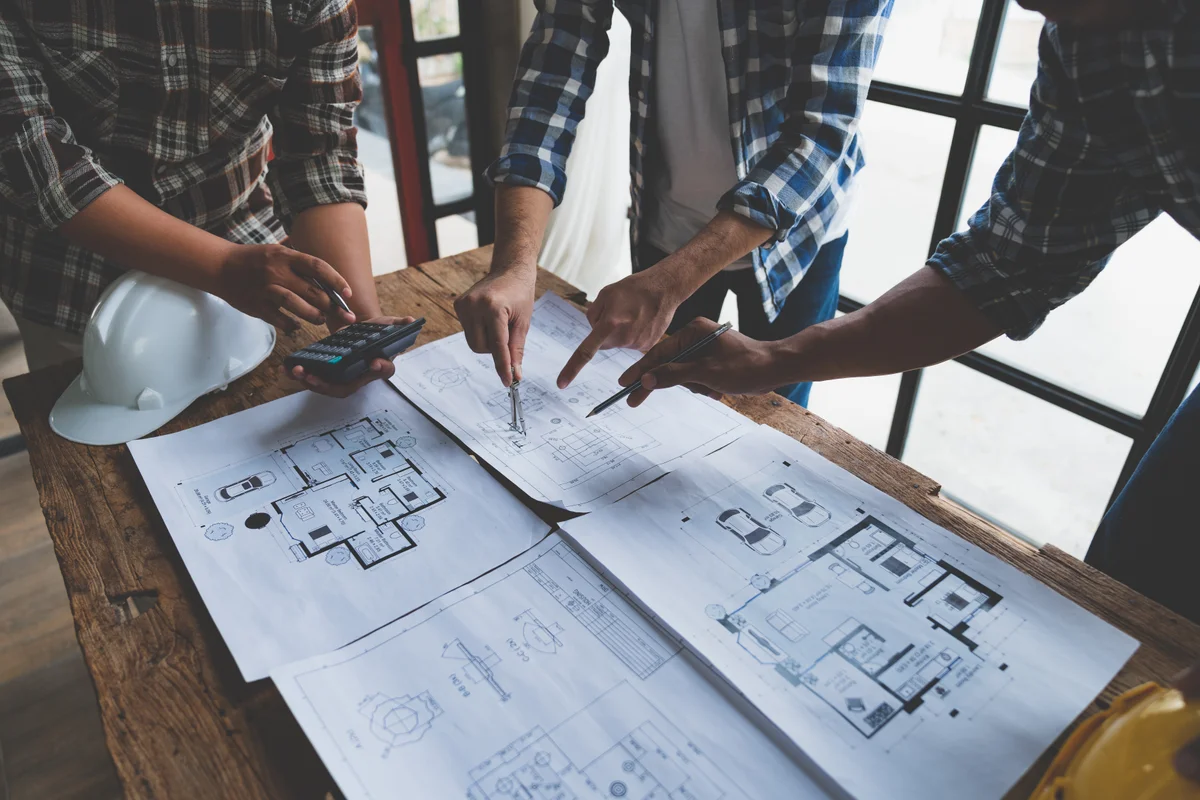
The process begins with your application, which is followed by a telephone intake and, in many cases, an on-site appointment.
Plan/drawing
If we are on the same page, we get to work on a plan of action and an estimate of the work. Upon agreement, you meet with the team, drawings are made and a final quote follows.
Work Preparation
Work preparation in a remodel ensures a smooth process. It includes planning, organizing and arranging materials, schedules and permits. With a good plan, bids and agreements, delays and extra costs are avoided.
Construction
Start of work including demolition, erection and installations. During this phase, coordination is crucial: craftsmen and suppliers work closely together on a tight schedule. Regular monitoring of progress and quality ensures that the project stays on track.
Flexibility is important to solve unforeseen problems quickly. A well-organized construction phase leads to an efficient process and a successful end result.
Completion
The completion of a remodel is the time when the project is completed and inspected. Together we will check that everything was carried out according to plan and as desired. Any defects are noted and repaired so that the final result meets expectations.
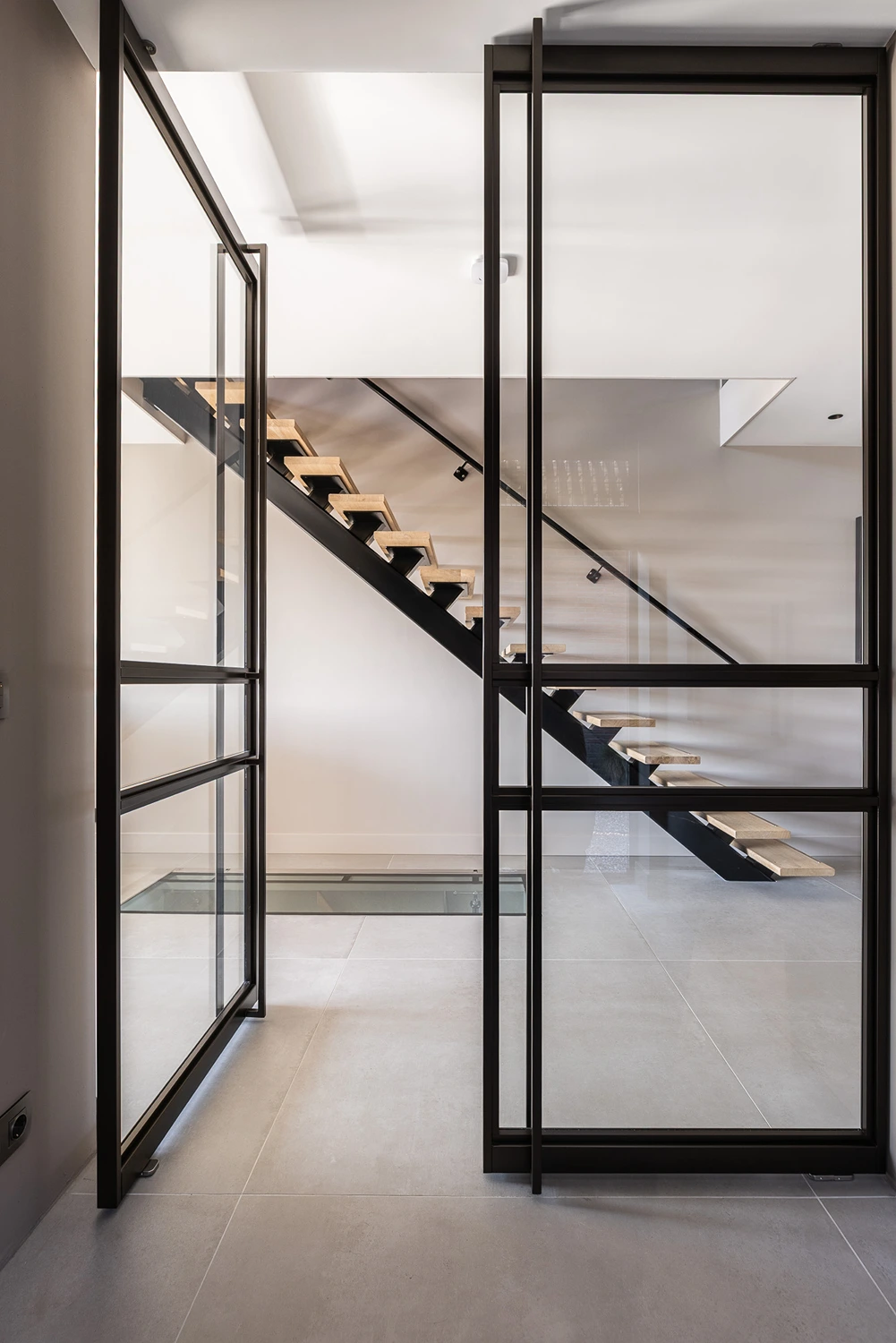

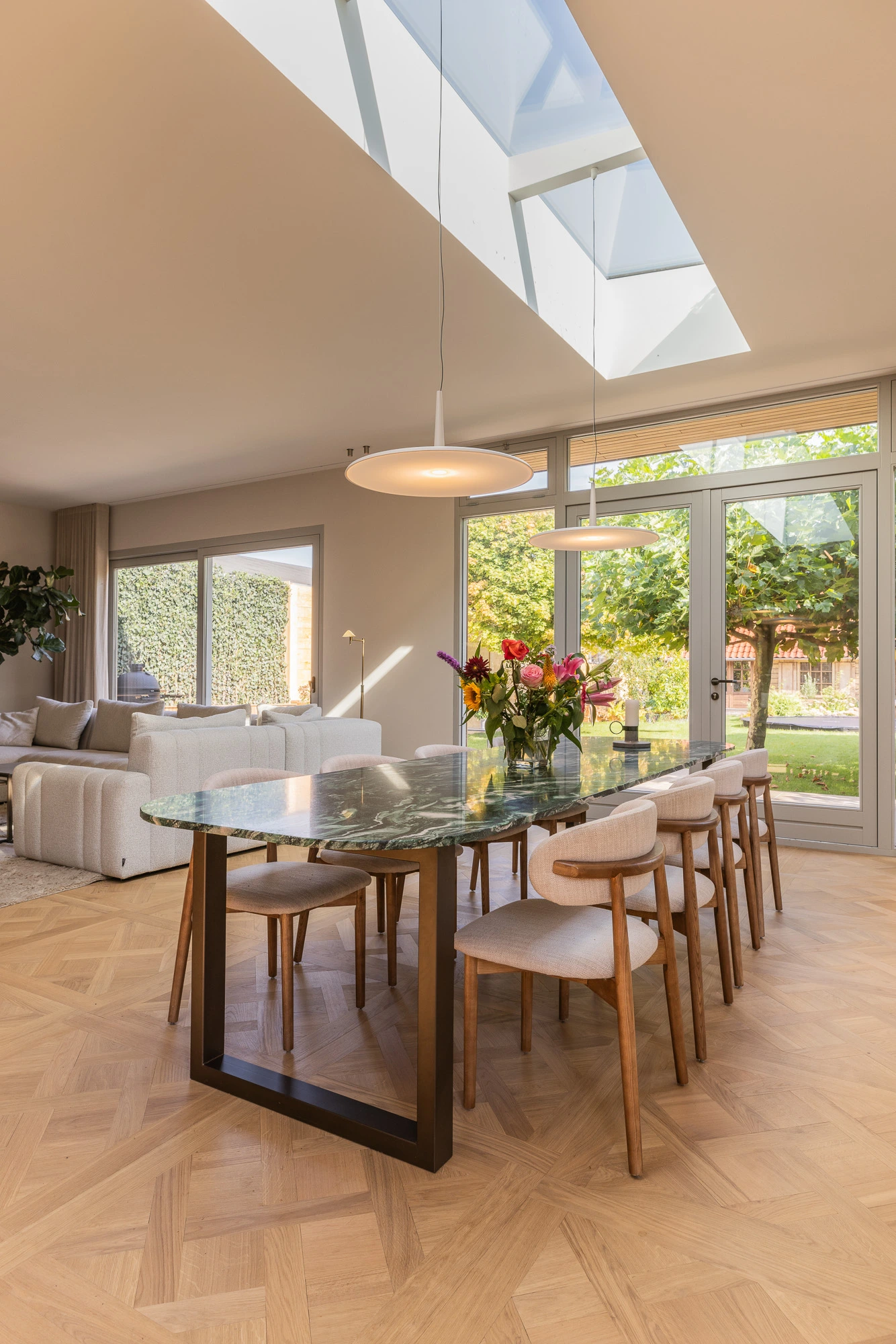
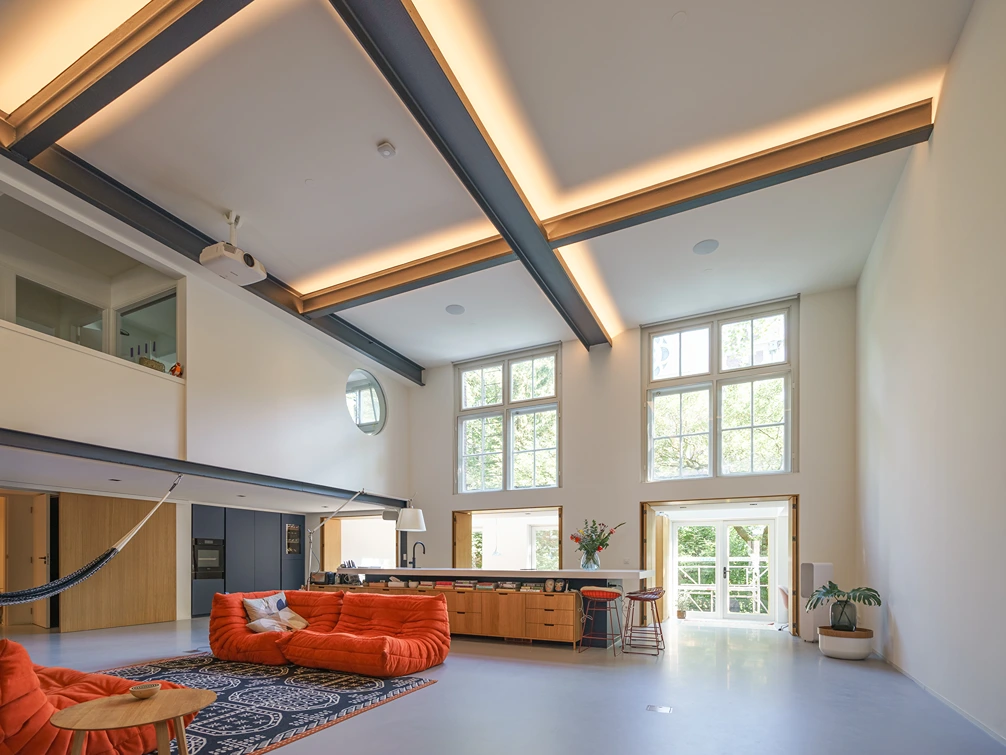

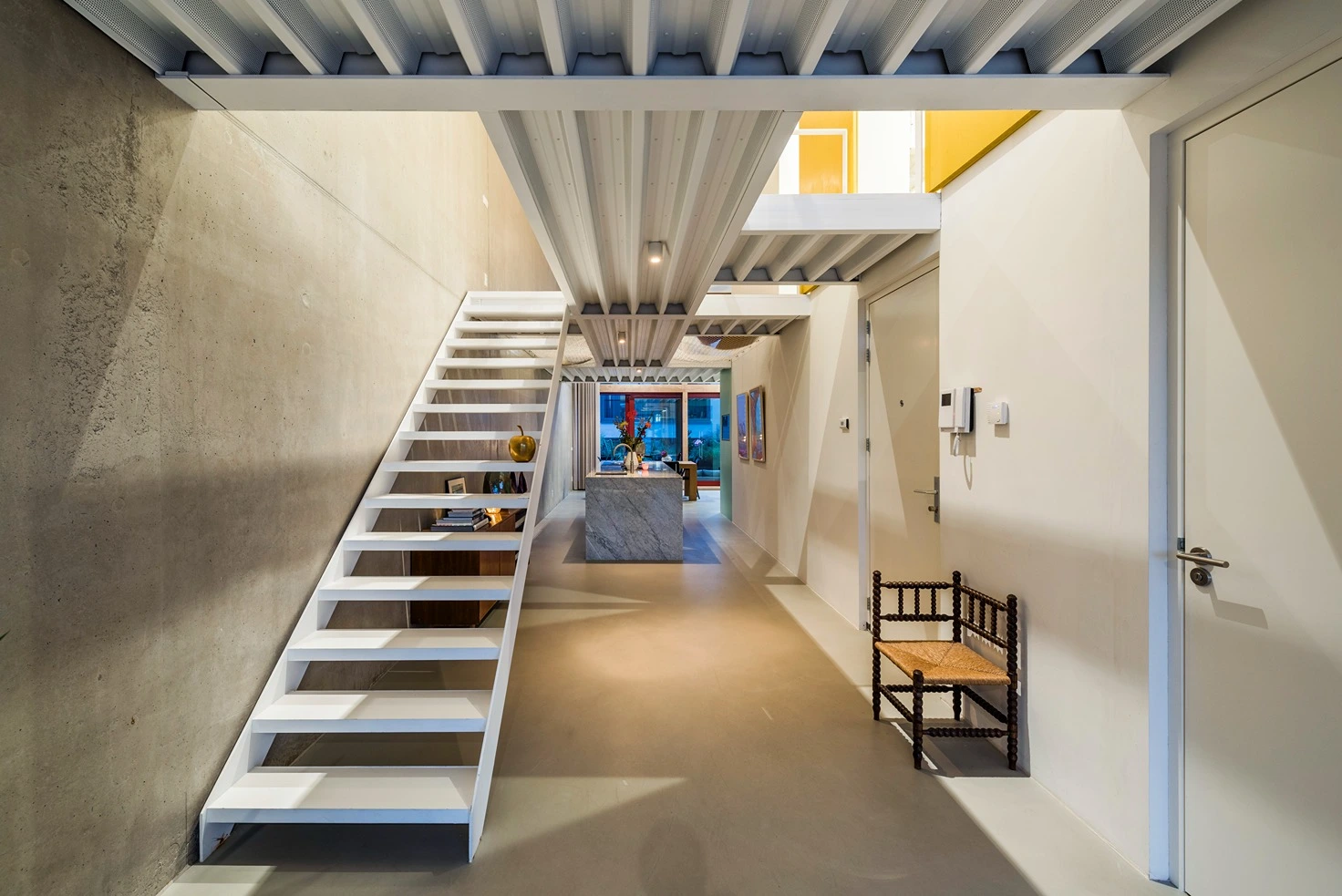
What makes the renovation of a listed building unique
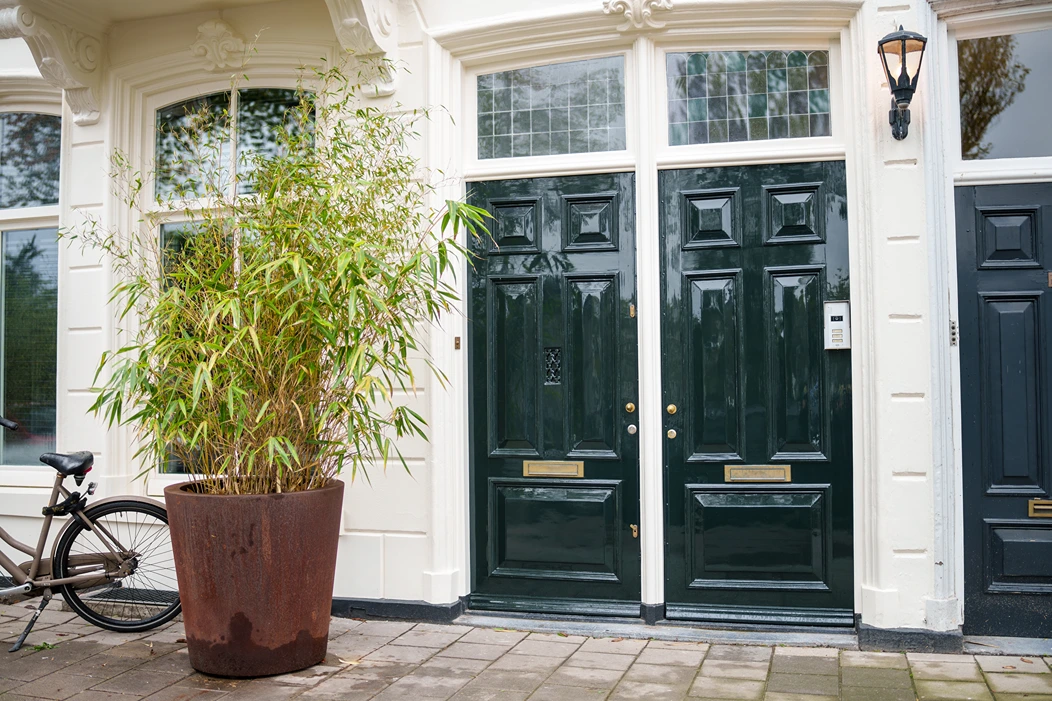
Renovating a listed building requires a different approach to a standard renovation. You are not just working on a building, but on cultural heritage with its own history, character and value. This means that every change must be carefully considered: what can be modernised, what must be preserved, and which elements require special techniques or materials?
From a structural engineering perspective, too, things work differently with listed buildings. You are dealing with older structures, authentic details and elements that cannot simply be replaced. This requires craftsmanship, experience and knowledge of traditional building methods. In addition, regulations and the preservation of historic buildings play a major role. Much of the work requires planning permission and must be coordinated with the local authority and, in some cases, even with national bodies.
It is precisely this combination of history, technology and regulations that makes it unique. Read more about it here: Renovating a listed building
Rules & Permits
When renovating a listed building, there are clear rules governing what is permitted. Many types of work require planning permission, even if they seem minor. That is why thorough preparation is essential. Be sure to check with the central government as well.
What to take into account:
- Many alterations to façades, roofs, window frames or historic interior features require planning permission.
- An architectural heritage assessment helps to justify what should be preserved and why certain alterations are necessary.
- Local authorities apply different rules and assessments may vary
- A comprehensive and well-reasoned design speeds up the planning permission process and prevents delays.
- Consulting with the heritage authorities at an early stage prevents disputes during the application process.
A unique challenge?
